



 |
 |
|
 |
On
fasting
|
 |
 |
 |
|
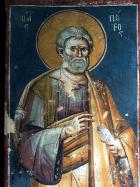
Venerable Isaiah, the Anchorite 7/16/2013
Isaiah lived a life of asceticism in the Egyptian Scete during the fifth and sixth centuries. He is mentioned in the book of Saints Barsanuphius and John (Reply 249 and others) as a man possessing exceptional sanctity. He wrote many instructions for monks and anchorites. Of his works, very little remains and much was destroyed by the Muslims. St. Isaiah said: "The mind, before it awakens from the sleep of slothfulness, resides with the demons." "The crown of all good works consists in this: that a man place all his hope in God; that he finds recourse in Him once and for all with his heart and strength; that he be filled with compassion for all and weep before God, imploring His help and mercy." What is the sign to man that a certain sin is forgiven? "The sign that a sin is forgiven is that the sin does not generate any activity in your heart and that you have forgotten it to such a degree that in conversation about a similar sin you do not feel any inclination toward that sin but rather consider it something totally foreign to you. That is the sign that you are completely pardoned." In vain are prayer and mortification to a man who conceals within himself malice toward his neighbor and the desire for revenge. "Watch with all your strength that you do not speak one thing with your mouth and have something else in your heart." "The crown of good works is love; the crown of passions is the justification of one's sins."
